

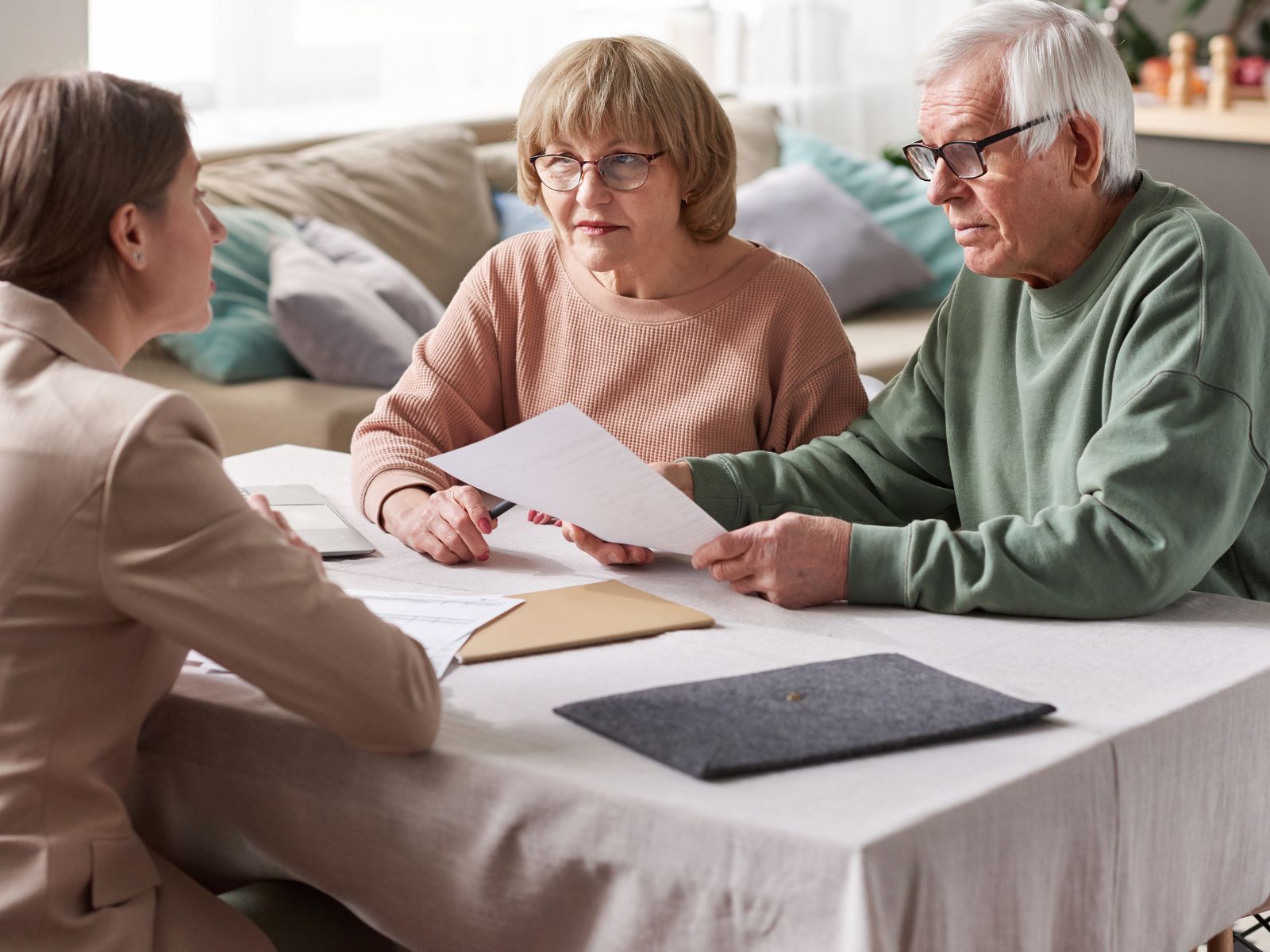
In 2018 a couple from Minneapolis closed on a 3-bedroom colonial in San Felipe de Jesús, walking distance to Antigua. Mid-60s, just retired, they had been comparing five Latin American countries in parallel. The question they posed before signing was a familiar one: “We can afford to retire almost anywhere. Why specifically here?”
They got the honest version — not the brochure version. Six weeks later they closed. Seven years on, they’re still here, still grateful, still living the life they came for.
The “why specifically here?” conversation has come up hundreds of times since 2008. The answer has evolved as Antigua has — the remote-work wave changed things, the post-COVID healthcare conversation changed things, the US political mood changed things. But the core reasons retirees end up in Antigua, and stay, have held steady. Here’s the honest list, after nearly two decades of watching it play out.
1. The climate is the closest thing to “designed for retirement” you’ll find
Antigua sits at 1,530 meters (5,020 ft) in Guatemala’s central highlands. Daytime temperatures run 70–78°F year-round. Nighttime drops to the mid-50s. Humidity is moderate. The dry season (November–April) is essentially perfect — crystal mornings, warm afternoons, cool evenings. The green season (May–October) brings afternoon rains that almost never last more than two hours.
You won’t run air conditioning. You won’t run heat. Your seasonal mood swings flatten out. Retiree residents almost universally lose 5–10 pounds in their first year — partly the climate (you actually want to walk), partly the food (less processed), partly the rhythm.
One client, a retired airline pilot from Atlanta, summed it up after his first full year: “I didn’t realize how much my body was fighting the weather in Georgia until I lived somewhere I wasn’t.” That’s the climate piece. It sounds small until you live it.
2. Healthcare at a fraction of US prices, and genuinely good
This is the second-most-common question from US retirees, and the answer surprises people who haven’t researched it.
Guatemala has two tiers of private healthcare. Routine care happens in Antigua: a primary care visit runs $30–60. Lab work, X-rays, basic dental — all available locally at small fractions of US prices. Specialist care and major procedures happen in Guatemala City at one of two major hospitals: Hospital Herrera Llerandi and Hospital Centro Médico. Both are JCI-equivalent quality with US-trained physicians on staff.
Private health insurance for a couple in their 60s — covering both routine care and major procedures at the Guatemala City hospitals — typically runs $200–400/month depending on coverage tier and pre-existing conditions. Many of many retirees drop their US-based supplemental insurance after their first year and rely entirely on Guatemalan coverage plus a US Medicare safety net for the rare home-country procedure.
Concrete examples of what care costs here:
- General practitioner visit: $30–60
- Specialist consultation in Guatemala City: $60–120
- Full annual physical with bloodwork: $200–350
- Crown (dental): $350–500 (vs. $1,500+ in many US markets)
- Joint replacement (hip or knee), private hospital: $12,000–18,000
- Cataract surgery per eye: $1,800–2,500
The piece that does require planning: certain US-brand prescription medications. Most are available, often without prescription and at lower prices. A few specialty drugs aren’t. Before committing to the move, run your prescription list through a Guatemalan pharmacy or your future doctor — it’s the one healthcare detail that occasionally trips people up.
3. Your money goes further — meaningfully, not marginally
Cost of living comparisons get oversold online. Here are real numbers from retiree residents who track them carefully.
A retired couple living in a 2-bedroom Antigua home, eating out 2–3 times a week, with part-time household help, typically spends:
- Housing (mortgage-free, in their owned home): $0/month on principal/interest. IUSI property tax averages $80–200/month, HOA (if applicable) $80–250/month, insurance $50–150/month.
- Utilities — electric, water, internet: $100–180/month
- Groceries: $400–700/month
- Household help (cleaner 2x/week, gardener weekly): $150–300/month
- Eating out: $200–500/month depending on frequency
- Health insurance (couple, 60s): $200–400/month
- Transportation (Uber, occasional rental, gas if you own a car): $100–250/month
- Entertainment, hobbies, travel within Guatemala: $200–500/month
All-in monthly spend for a comfortable retired couple in Antigua: $2,500–4,500/month. That’s a real number — not a tourist-blog “you can live on $1,200” claim.
The savings vs. the US aren’t equal across every category. Healthcare, household help, dining out, and groceries (when bought locally) are dramatically cheaper. Imported goods, fuel, and travel back home are roughly the same as US prices. The math works because the categories where you save are the categories you spend on most.
What this means in practice: many retired residents report that their Social Security alone — sometimes augmented by a modest pension — covers their entire lifestyle here without dipping into savings. That changes the retirement math meaningfully.
4. The community is real, multinational, and actually welcoming
The expat community in Antigua isn’t a tourist enclave or a retirement compound. It’s about 3,000–5,000 foreign residents woven into a working Guatemalan city of 46,000 — close-knit enough that you’ll recognize faces within months, large enough that you can find your tribe.
Within a year, the typical retiree client of mine has:
- A weekly Spanish class or conversation group
- One or two regular volunteer commitments (NGOs like Constru Casa, As Green As It Gets, Niños de Guatemala welcome new volunteers)
- A standing dinner crew of 4–6 friends
- One or two Guatemalan friends — neighbors, the gardener, a doctor, a shopkeeper — that the relationship has gone past transactional
- A weekend rhythm involving the markets, a procession, a hike, or a coffee tour
The honest message for pre-move buyers: the community is welcoming but it’s not a safety blanket. The retirees who thrive are the ones who treat their move as a real move and engage with the country, not just with other foreigners. The ones who struggle stay inside an English-speaking bubble and then complain that Antigua feels small.
The difference between those two outcomes is largely a Spanish-language decision. Antigua is the Spanish-learning capital of Latin America. Eighty schools operate within walking distance of Parque Central, at $150–300/week for serious instruction. The best-integrated retirees here typically spent 8–12 weeks studying intensively in their first year. They consistently look back on it as the best decision they made.
5. Direct foreign ownership and a path to residency that actually works
The legal infrastructure for foreign retirees in Guatemala is cleaner than most US buyers expect.
You can own property here directly, in your own name, with no trust structure or restricted zone. This is meaningfully different from Mexico’s coastal fideicomiso system, which a lot of my buyers assume must apply here too. Closing costs run about 3.5–4.5% of the deed price. Annual property tax (IUSI) caps at 0.9% of the cadastral value at the top bracket — and the cadastral value is usually well below market. A $400,000 Antigua home typically generates $1,000–2,000 in annual property tax.
For residency, Guatemala has two well-traveled paths for retirees:
- Pensionado — for retirees with pension or social security income. The minimum, as of early 2026, is around $1,000/month of verifiable retirement income. Verify with IGM before relying on the specific number — these do shift.
- Rentista — for those with verifiable passive income from investments, rental properties abroad, or business interests. The recent minimum is around $1,250/month.
Both lead to permanent residency. After five years of permanent status, citizenship becomes available (subject to a Spanish language test and a Guatemalan civics knowledge exam). Most long-term retiree residents stop at permanent residency — citizenship is rarely necessary to live comfortably.
The residency process typically takes 6–12 months and runs $2,500–5,000 in attorney fees. An experienced Guatemalan immigration attorney handles it cleanly — it isn’t a DIY project, but it isn’t a bureaucratic nightmare either. Importantly: buying property does not automatically grant residency in Guatemala. The two processes are separate. Plan for both.
What surprises most retirees in their first year
After dozens of retiree clients settling in, the same surprises come up:
How safe Antigua feels. Most US retirees arrive with a higher anxiety level than the reality warrants. Antigua has dedicated tourism police, a strong municipal presence in the Casco Histórico, and the lowest crime rates in the country. You’ll take normal urban precautions (don’t flash cash, don’t walk down dark alleys at 2 AM) and feel as safe as you did in any US suburb.
How present the cultural calendar is. Semana Santa. Independence Day. Day of the Dead. Posadas leading up to Christmas. Religious processions on random Wednesdays in Lent. The cultural rhythm here is woven into daily life in a way that most of the US has lost. My retiree clients find this unexpectedly grounding.
How much they walk. Most US retirees here walk 2–3 hours a day without thinking about it within their first six months. The town is built for it, the weather supports it, and once you stop fighting it, your fitness improves in a way that gym memberships rarely produce.
The pace. Government offices move at their own speed. Repair people show up late. A simple errand can stretch into a half-day if you let it. Retirees who arrive with US-paced expectations get frustrated. Retirees who recalibrate find this is one of the genuine luxuries of the place.
How accessible the US still feels. Antigua is 45 minutes from La Aurora International Airport. Direct flights to Miami, Houston, Atlanta, Los Angeles, New York, Toronto, and Madrid run daily. Most retirees here plan one or two trips home per year and host family in Antigua for the rest. The distance is real but manageable.
What doesn’t work for some retirees
It would be a disservice not to flag the situations that have gone sideways for some retirees.
Retirees who arrive without their spouse fully bought in. The reluctant-partner pattern is consistent and unforgiving. If you have a partner who isn’t equally committed, sort that out at home, not here.
Retirees who refuse to learn Spanish. They can survive in tourist-facing Antigua indefinitely, but they tend to feel isolated within 12–18 months and either leave or develop a low-grade resentment toward the country.
Retirees with serious chronic health conditions that require specific US-brand medications or specialists. Most situations work fine; some don’t. Run your specific case through a Guatemalan doctor before committing.
Retirees expecting a beach. Antigua is a mountain town. The Pacific Coast is two hours away — close enough to visit, far enough that you need to want a mountain-town primary residence to be happy here.
Retirees buying without visiting properly. The buyers who fly down, look at three houses in 48 hours, and sign — they’re the ones at the highest risk of regret. Anyone buying for retirement should make at least two trips, three weeks each, before signing anything.
Ready to take a serious look?
The retirees who end up happy here all started with a real visit, ideally 2–3 weeks in a short-term rental in the neighborhood they’re considering. Walk to the market. Eat in. Find your morning café. Drive to Lake Atitlán on a weekend. See what daily life actually feels like.
When you’re ready to talk to someone about properties, reach out through our contact page and tell us about your situation. We work with retired couples constantly — there’s no template, but there’s pattern recognition, and we’ll save you time by being honest about which neighborhoods actually fit your profile.
If you haven’t yet, our companion guides cover the practical logistics of moving here and what daily expat life actually looks like.
You can also browse our active Antigua listings to get a feel for what’s on the market in the $300K–$800K range where most of our retiree clients buy.
Frequently asked questions about retiring in Antigua Guatemala
What’s the minimum income needed to retire in Antigua Guatemala?
Most retired couples live comfortably in Antigua on $2,500–4,500/month all in, including housing costs, healthcare, household help, and a normal level of dining out and travel. For residency under the Pensionado category, Guatemala requires verifiable pension or social security income of approximately $1,000/month as of early 2026 (verify with IGM before relying on specific numbers). Many retirees find their Social Security alone covers their full Antigua lifestyle without tapping savings.
Is healthcare good for retirees in Antigua Guatemala?
Yes. Routine care is available in Antigua at small fractions of US prices ($30–60 for a GP visit). Major procedures are handled at Hospital Herrera Llerandi or Hospital Centro Médico in Guatemala City, both JCI-equivalent quality with US-trained physicians. Private health insurance for a couple in their 60s typically runs $200–400/month. Most retirees rely entirely on Guatemalan coverage after their first year.
Can I get permanent residency in Guatemala as a retiree?
Yes. The Pensionado category for retirees with pension or social security income leads to permanent residency, with a path to citizenship after five years if desired. The Rentista category serves those with passive investment income. The process takes 6–12 months and runs $2,500–5,000 in attorney fees. Buying property in Guatemala does not automatically confer residency — the two processes are separate.



Join The Discussion